How much does a local move in New Hampshire cost in 2026? A full price breakdown
Real hourly rates, crew-size math, travel time, packing fees, stair and long-carry charges, and the line items that actually decide what you pay for a NH move.

Almost every local move in New Hampshire is billed hourly, not by weight. That single fact changes how you should shop for movers: the lowest hourly rate is very often the highest final bill, because a slow two-person crew can spend eight hours on a job a four-person crew clears in three and a half. This guide breaks down every line item that shows up on a New Hampshire moving estimate, what drives each one, and where you can realistically cut cost without cutting protection.
1. Crew size is the biggest lever on your bill
Hourly rate scales with headcount, but productivity scales faster. Two movers walking a 40-foot carry lose most of their day to the walk. Add a third and a fourth and you get a relay: one wrapping, one carrying, two loading and stacking the truck. On larger Bedford, Amherst, and Hollis homes we regularly run 4-, 6-, and 8-man crews for exactly this reason.
| Crew | Typical hours | Relative hourly rate | Relative total |
|---|---|---|---|
| 2 movers | 10–12 | Lowest | Highest |
| 3 movers | 7–8 | Low | Middle |
| 4 movers | 5–6 | Higher | Usually lowest |
| 6–8 movers | 3–4 | Highest | Best for large or time-boxed moves |
Ask any mover you're comparing for an estimated hour count, not just a rate. A quote that only gives you a per-hour number is not a quote.
2. Travel time and the drive between addresses
Most New Hampshire movers bill a travel-time or truck fee that covers getting the truck and crew from the yard to you and back. It is usually a fixed amount or a set number of billed minutes. The drive between your old and new address is billed as working time, which is why a Manchester-to-Nashua move costs meaningfully less than Manchester to Portsmouth even though both are 'local'.
3. Access: stairs, elevators, and long carries
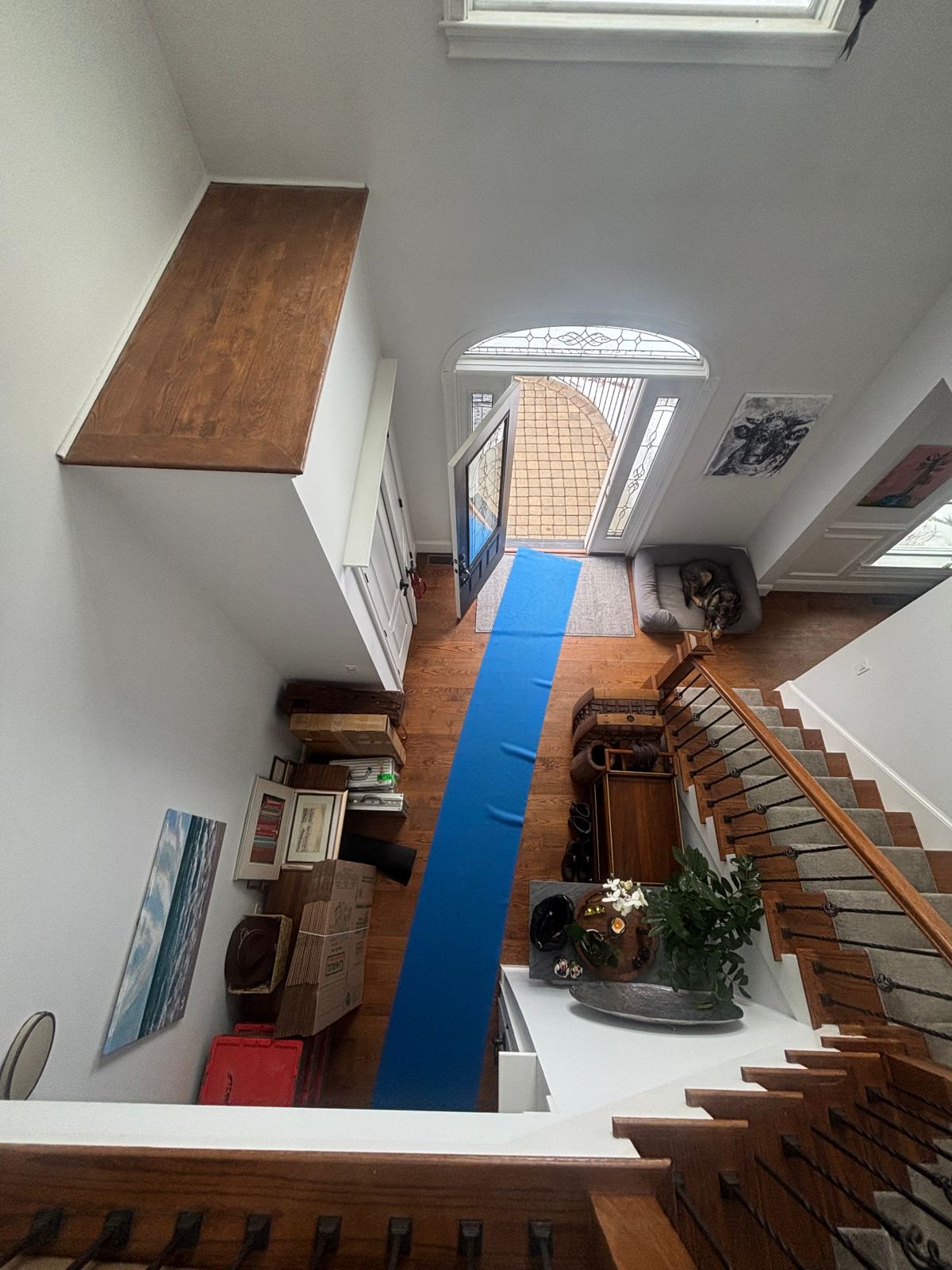
Access is the quiet budget killer. A third-floor walk-up in downtown Manchester, a condo with a shared elevator that must be reserved, or a long driveway in Hollis where the truck cannot get close all add hours. Tell your estimator about these up front. Movers do not raise a price because a job is hard; they raise it because a job took longer than the estimate said it would.
- Stairs — each flight at either end typically adds 10–20% to the load or unload phase.
- Elevators — a single shared elevator can double an apartment unload. Reserve it in writing with the building.
- Long carry — anything beyond about 75 feet from truck to door is a long carry and should be flagged in advance.
- Parking — in Portsmouth, Dover, and downtown Boston, metered spots must be reserved with the city before move day.
4. Packing: the item you have the most control over
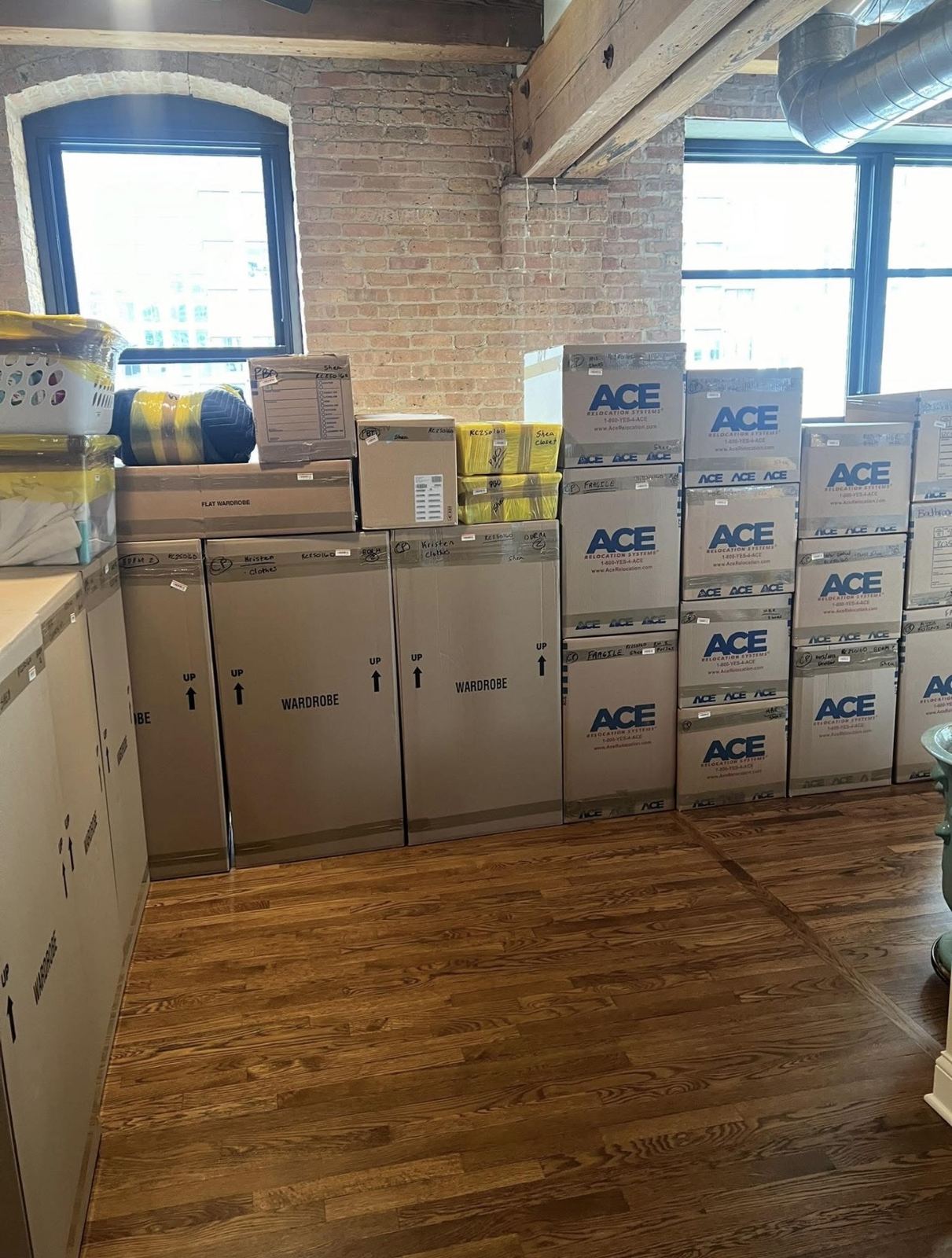
Full-service packing is billed at the same hourly crew rate, plus materials. Partial packing — where we handle the kitchen, art, mirrors, lamps, and electronics and you handle the rest — is the sweet spot for most families. What you should never do is 'mostly pack'. Half-full open boxes, loose closets, and unbagged bedding turn a five-hour load into an eight-hour one.
- Every box taped top and bottom, filled to the top, and labeled with the room at the new house.
- Nothing loose: no open laundry baskets, no unbagged clothing, no unpacked pantry shelves.
- Beds stripped and bedding bagged before the crew arrives.
- Anything you refuse to let on the truck — documents, jewelry, medication, laptops — already in your car.
5. Specialty items and what they really involve
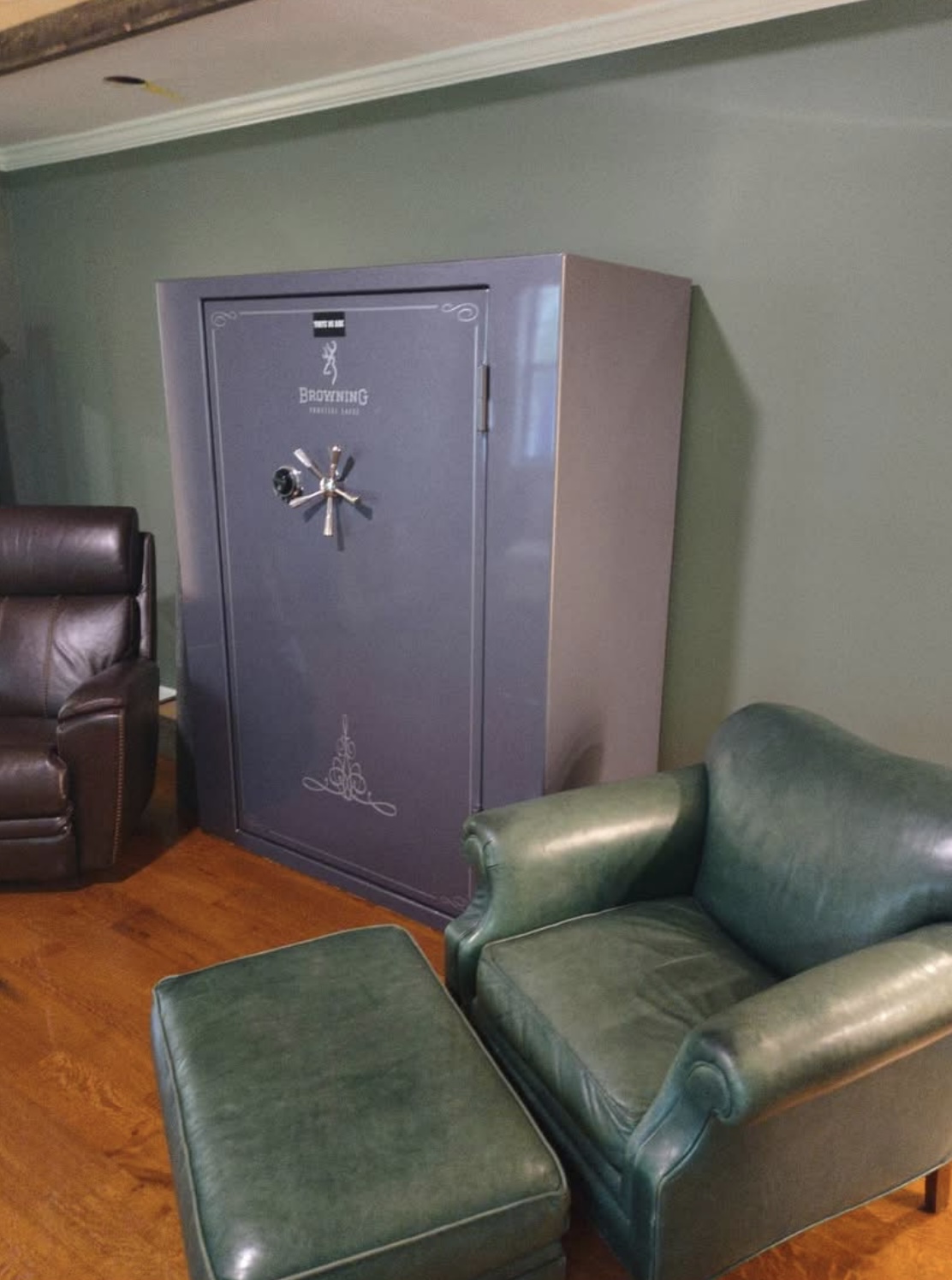
Safes, gym equipment, appliances, slate-bed pool tables, oversized art, and pianos are quoted as separate line items. They need dedicated equipment — machine skates, stair-climbing dollies, extra padding, sometimes a fifth body whose only job is that one item. Ask up front rather than surprising the crew on move day, when the answer may be that the item cannot safely be moved that day.
6. Materials, protection, and what should already be included
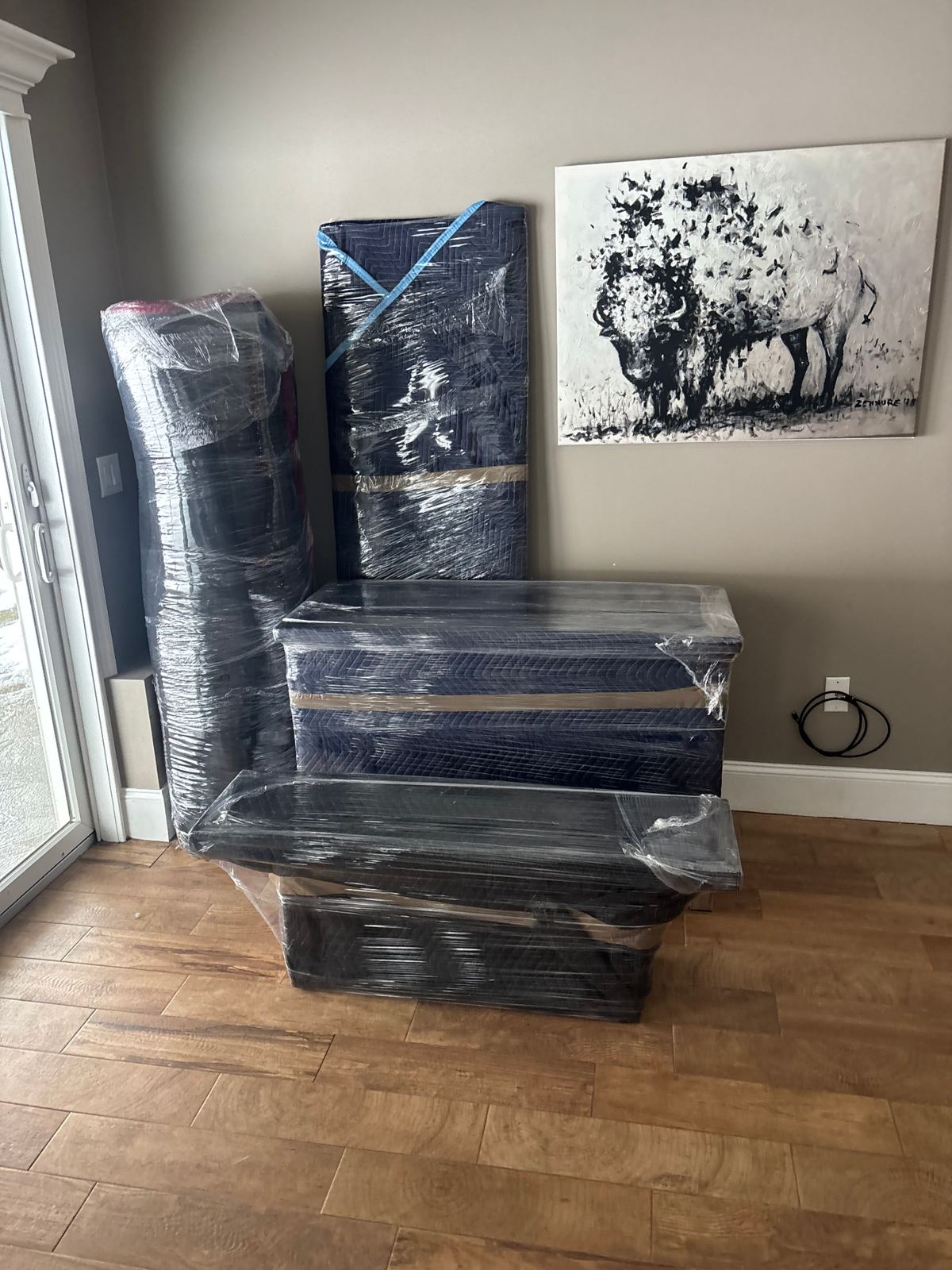
At EAM, moving blankets, stretch wrap, floor runners, doorway and banister protection, and the tools to disassemble and reassemble furniture are part of the job — not add-ons. Consumables you keep, such as boxes, paper, tape, mattress bags, TV cartons, and custom crating, are billed for what you use. If a competitor's quote itemizes 'blanket fee' or 'wrap fee', ask what happens if they run out.
7. Season, day, and time of month
The U.S. moving market is heavily seasonal — roughly the stretch from May through Labor Day carries the bulk of household moves nationally, and the last three days of any month are the tightest of all because of lease turnover. In New Hampshire that pressure is amplified by college move-in around Durham, Hanover, Plymouth, and Keene. Moving mid-week, mid-month, or in the winter is the single easiest discount available to a flexible household. For context on national moving volumes and seasonality, the U.S. Census Bureau's geographic mobility data is the standard public reference.
8. Questions to ask before you sign anything
- Is this a binding estimate, a not-to-exceed estimate, or an hourly range?
- How many movers and how many estimated hours?
- What is the travel or truck fee, and is it billed once or at both ends?
- What valuation or liability coverage is included, and what does upgraded coverage cost?
- Are you the company performing the move, or a broker selling my job to someone else?
That last one matters more than any price. Brokers advertise low numbers and then hand the job to whoever bids lowest. You can verify any interstate carrier's operating authority, insurance, and complaint history for free on the FMCSA's Mover Search tool — and you should, for every company you're considering, not just ours.
The cheapest hourly rate on your list and the cheapest move on your list are almost never the same company.
Frequently asked questions
- Are New Hampshire movers priced hourly or by weight?
- Local moves inside New Hampshire are billed hourly, based on crew size plus a travel or truck fee. Weight- and volume-based pricing applies to long-distance and interstate moves.
- Is it cheaper to hire more movers?
- Usually yes for anything larger than a one-bedroom. A larger crew has a higher hourly rate but finishes in dramatically fewer hours, which typically lowers the total bill.
- What is the cheapest day to move in NH?
- Mid-week, mid-month, and outside the May-to-September peak. Winter weekdays consistently have the best availability and pricing in New Hampshire.
Sources & further reading
Planning a move in New Hampshire?
Get a free, no-pressure quote from experienced professional movers with years of hands-on experience.