How to vet a moving company: 12 checks that filter out the bad ones
License lookups, broker red flags, deposit rules, review-pattern analysis, insurance verification, and the exact questions that separate a real carrier from a call center.

Moving is one of the few large purchases most people make with almost no way to inspect the product beforehand. That gap is exactly where bad operators live. These are the checks we'd run if we were the customer — and yes, run them on us too.
1. Verify the license before anything else
For interstate moves, look the company up by name or USDOT number in the FMCSA's SAFER Company Snapshot. You're checking that operating authority is active, that insurance is on file, and that the legal name matches the name on your paperwork. FMCSA's Protect Your Move portal is the consumer front door for all of this.
2. Confirm carrier vs. broker, in writing
A broker sells your job to a carrier you have never spoken to. Brokers are legal and must be registered, but they must also disclose their status. If the company won't say plainly which one it is, walk.
3. Insist on a survey, not a phone number
A price given over the phone in ninety seconds without seeing your home is a marketing number, not an estimate. Video surveys are fine and fast; no survey at all is a red flag.
| Red flag | Green flag |
|---|---|
| Large cash deposit demanded up front | Small or no deposit; payment on delivery |
| Quote by phone with no inventory | In-home or video survey with a written inventory |
| Blank or partially filled contract | Complete written estimate and bill of lading before load |
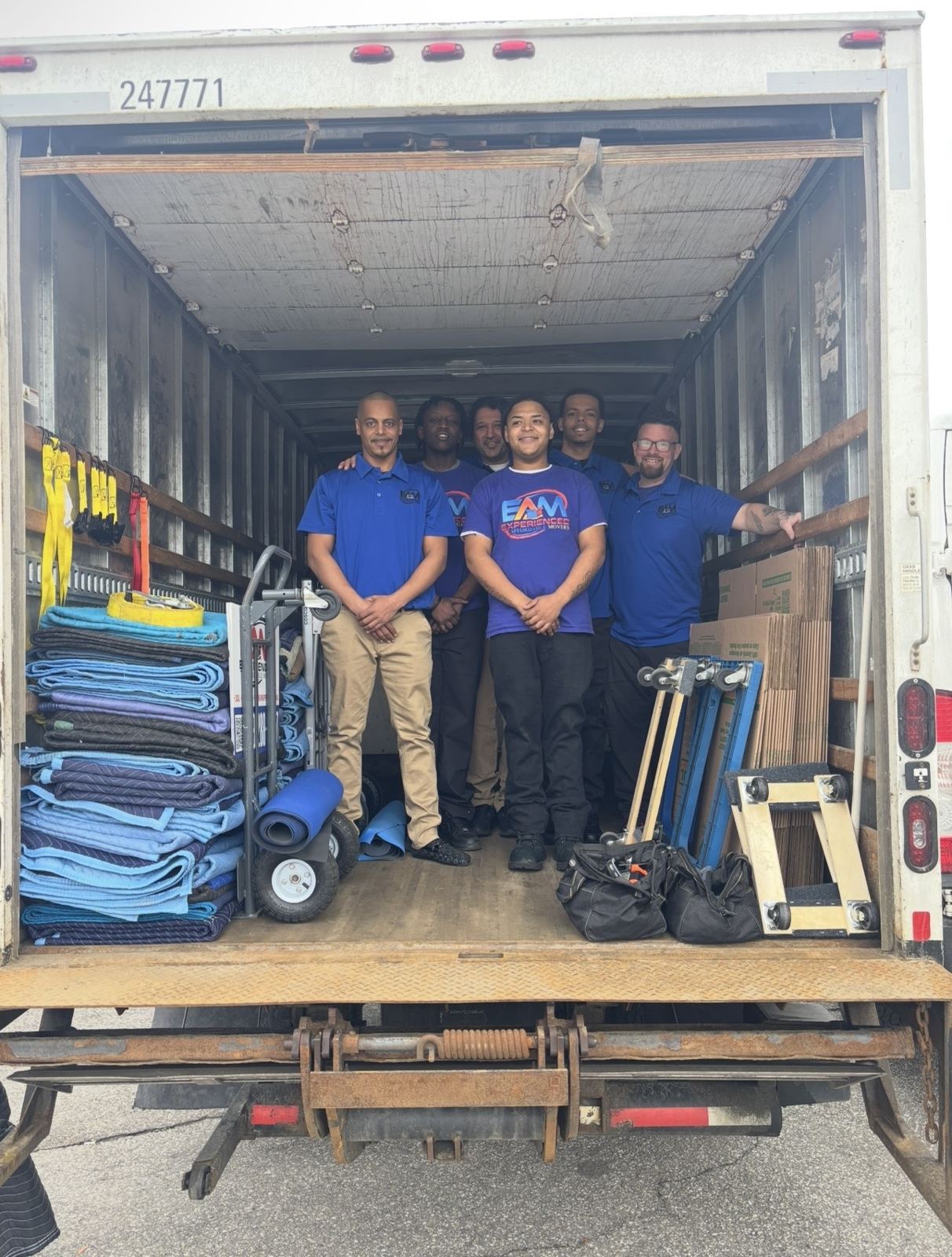
| Generic name, no local address | Verifiable local address, branded trucks, uniformed crew |
| Only 5-star reviews posted in one week | Long, steady review history with named details |
| Won't provide USDOT or insurance info | Provides it without being pushed |
4. Read reviews for patterns, not scores
- Look for reviews that name a crew, a town, and a specific item — those are real.
- Check how the company replies to its negative reviews. That's the service you'll get if something breaks.
- Cross-check Google against the BBB and FMCSA complaint history.
- Distrust a perfect record. Every busy mover has had a bad day.
5. Understand what 'insured' actually means
"Licensed and insured" usually refers to cargo and liability coverage, which is not the same as the valuation coverage on your belongings. Ask for both: the carrier's coverage, and the valuation option applied to your shipment. We break the difference down in our guide to moving insurance and valuation.
6–12. The rapid-fire checks
- Does the written estimate state crew size and estimated hours?
- Is travel time or a truck fee disclosed as a specific number?
- Are stairs, long carries, and shuttle charges spelled out, or discovered on the day?
- Who moves specialty items — the same crew, or a subcontractor?
- What's the claims process, and what's the filing deadline?
- Are the crew employees or day labor? Ask directly.
- Will the company put the arrival window and the total in one document you both sign?
A legitimate mover will answer all twelve of these without hesitating. That willingness is the actual product you're buying.
Frequently asked questions
- How do I check if a moving company is licensed?
- Search the company name or USDOT number in the FMCSA SAFER Company Snapshot. Confirm the operating authority is active, insurance is on file, and the legal name matches your contract.
- Should I pay a deposit to a moving company?
- A small deposit to hold a date is normal. A large cash or wire deposit demanded up front is one of the most common signs of a moving scam.
Sources & further reading
Planning a move in New Hampshire?
Get a free, no-pressure quote from experienced professional movers with years of hands-on experience.