
Long-distance moving from New Hampshire to Florida: estimates, timelines, and delivery windows
Binding vs. non-binding vs. not-to-exceed estimates, what a delivery spread really means, how interstate carriers are regulated, and how to avoid a hostage-load broker.
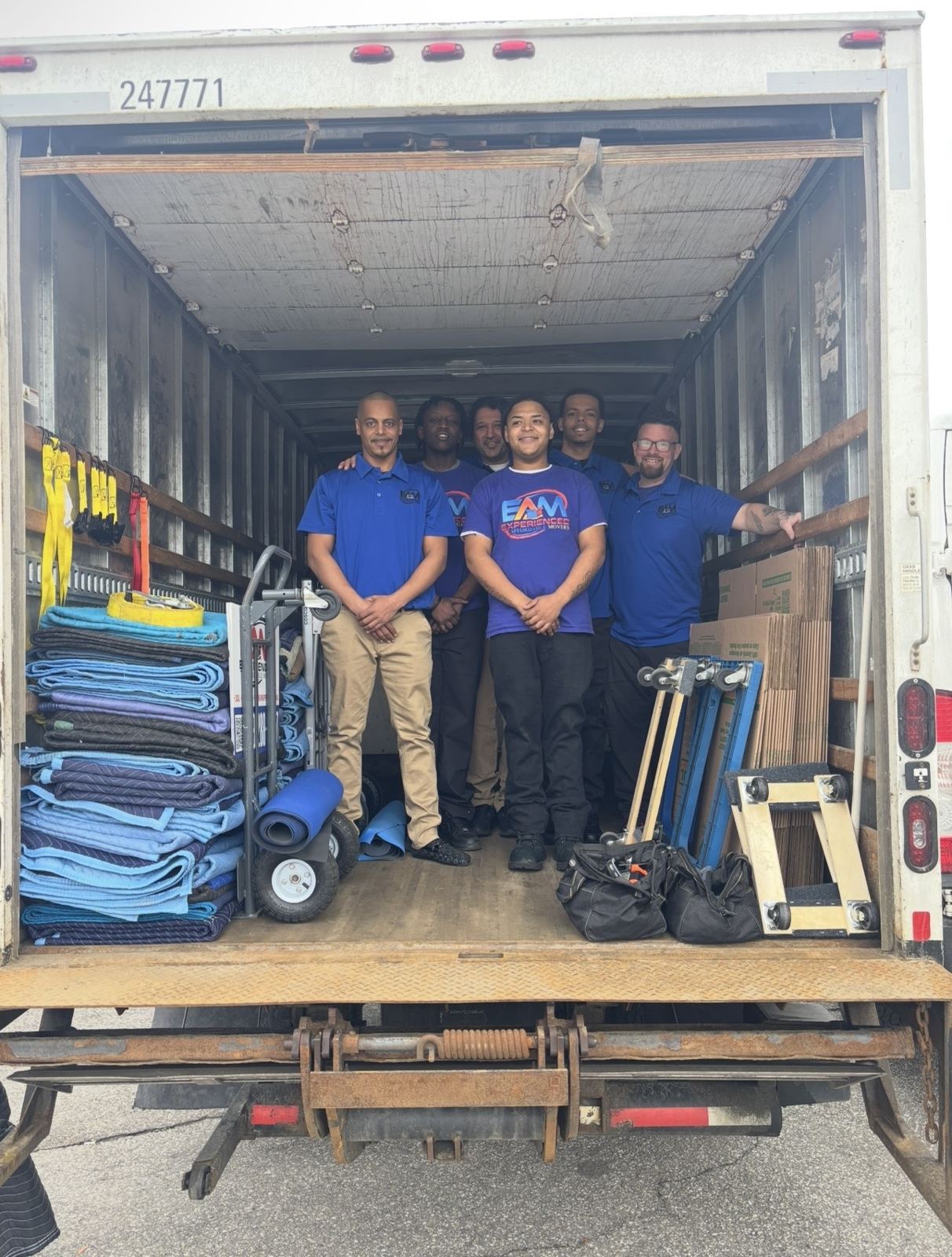
We've relocated households to and from 29 states, and the Northeast-to-Florida corridor is one of our busiest lanes. Long-distance moving is a different product than local moving: different pricing model, different paperwork, different federal rules. Understanding those three things is what separates a smooth relocation from a horror story.
How interstate pricing actually works
Interstate moves are priced on weight or volume plus distance, not hours. That's why the pre-move survey matters so much: your quote is only as accurate as the inventory it was built on. Add a garage full of tools after the survey and the number changes — legitimately.
| Estimate type | What it means | Best for |
|---|---|---|
| Non-binding | An educated guess; final price is based on actual weight | Rarely the right choice for consumers |
| Binding | Fixed price for the surveyed inventory; changes require a revised estimate | Households with a stable, well-surveyed inventory |
| Binding not-to-exceed | You pay actual weight, but never more than the quoted cap | The most consumer-protective option — ask for it |
Transit time and the delivery spread
A delivery window (sometimes called a delivery spread) is the agreed range of days within which your shipment will arrive. New England to Florida commonly runs a few days to a couple of weeks depending on whether your goods travel on a dedicated truck or are consolidated with other shipments. Dedicated is faster and costs more; consolidated is cheaper and wider. Both are legitimate — just know which one you bought.
Your federal rights as an interstate customer
Interstate household moves are regulated by the Federal Motor Carrier Safety Administration. Every carrier must give you the booklet Your Rights and Responsibilities When You Move, must be registered with a USDOT number you can look up, and must follow specific rules about estimates, pickup, delivery, and claims. Read the official guidance at FMCSA Protect Your Move and verify any company's authority in the SAFER company database before you pay a deposit.
- Released value protection is included at no charge and is minimal — 60 cents per pound per article by federal rule. A 50-pound TV is worth $30 under it.
- Full value protection makes the carrier liable for repair, replacement, or cash settlement. It costs more and is worth it on a household move.
- You have the right to be present at weighing and to request a reweigh.
- A carrier may not hold your goods hostage for charges beyond the legal limits on a binding or not-to-exceed estimate.
Broker vs. carrier — the single biggest risk
Many of the cheapest long-distance quotes online come from brokers who never touch your furniture; they resell the job. You then have no relationship with the crew that shows up, and no leverage when the price changes. Ask directly: "Are you the carrier performing this move?" Then verify the USDOT number they give you against the name on your contract. Consumer complaints in this category are common enough that FMCSA runs a dedicated complaint database.
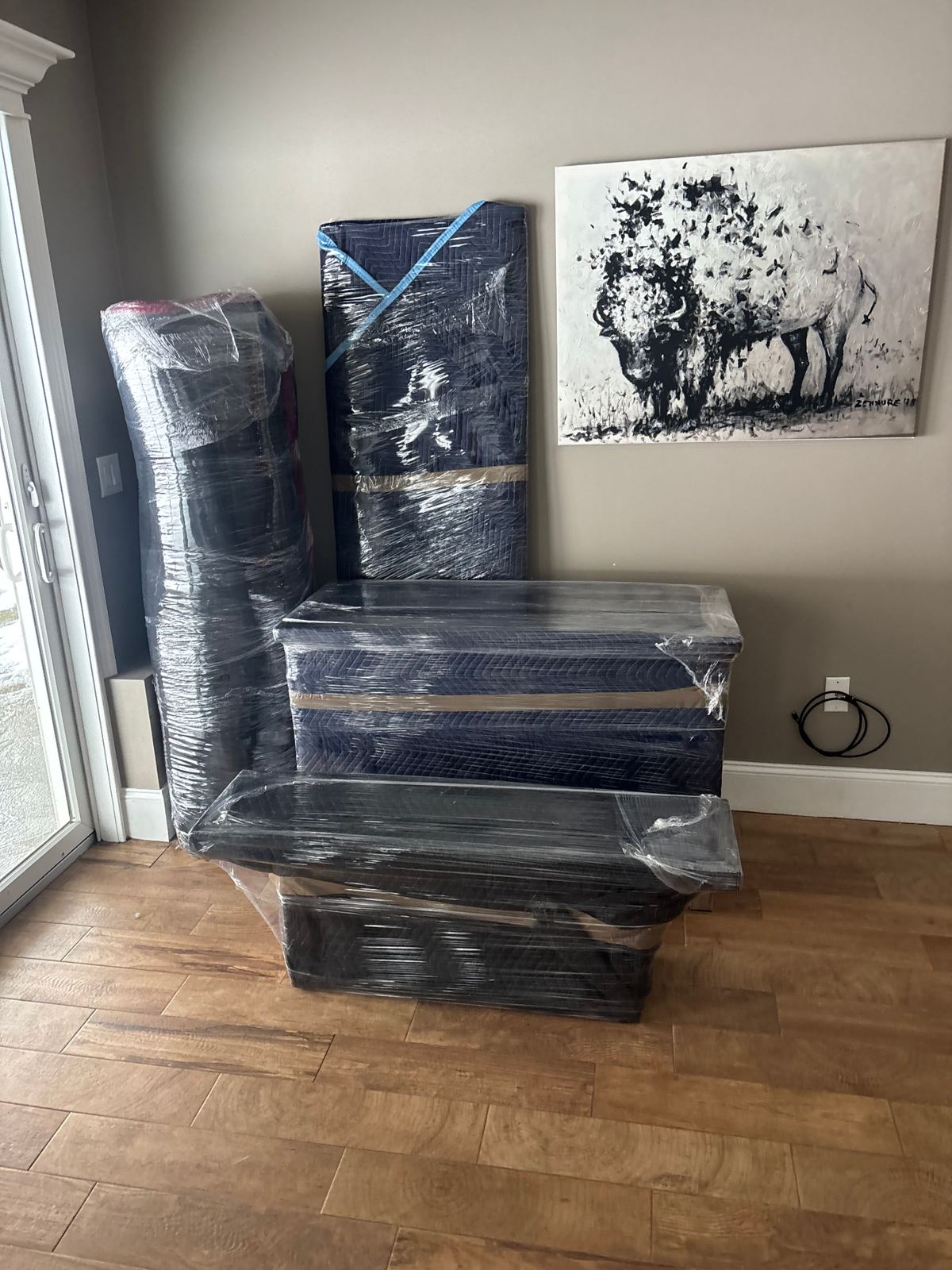
Packing differently for 1,300 miles
- Boxes must be full and firm. Void space collapses under stacking on a long haul.
- Double-wall cartons for anything fragile; single-wall is a local-move box.
- Mattress bags and dish packs are not optional over that distance.
- Photograph high-value items before wrap and keep an item-level inventory with values.
- Carry documents, jewelry, medication, and irreplaceables in your own vehicle or by air.
The Florida-specific details
- Gated communities and HOAs frequently restrict delivery hours — confirm the window in writing.
- Many condo towers require a certificate of insurance and a reserved freight elevator.
- Summer humidity and afternoon storms shape delivery timing; morning unloads are strongly preferred.
- Update your address and licensing timelines with Florida's DHSMV after arrival.
Frequently asked questions
- How long does a move from New Hampshire to Florida take?
- Typically a few days on a dedicated truck, and up to roughly two weeks on a consolidated shipment. Your contract should state a delivery spread in days.
- What is a binding not-to-exceed estimate?
- You pay based on actual weight, but never more than the quoted cap. If the shipment weighs less than estimated, you pay less. It's the most consumer-protective estimate type.
- How do I check if a long-distance mover is legitimate?
- Look up their USDOT number in the FMCSA SAFER database to confirm active operating authority and insurance, and confirm they are the carrier performing your move rather than a broker reselling it.
Sources & further reading
Planning a move in New Hampshire?
Get a free, no-pressure quote from experienced professional movers with years of hands-on experience.