Winter moves in New Hampshire: cold-weather protocol, cost savings, and what freezes
How crews protect floors and furniture in snow, which belongings genuinely don't like the cold, homeowner prep the night before, and why January is the cheapest month to move in NH.
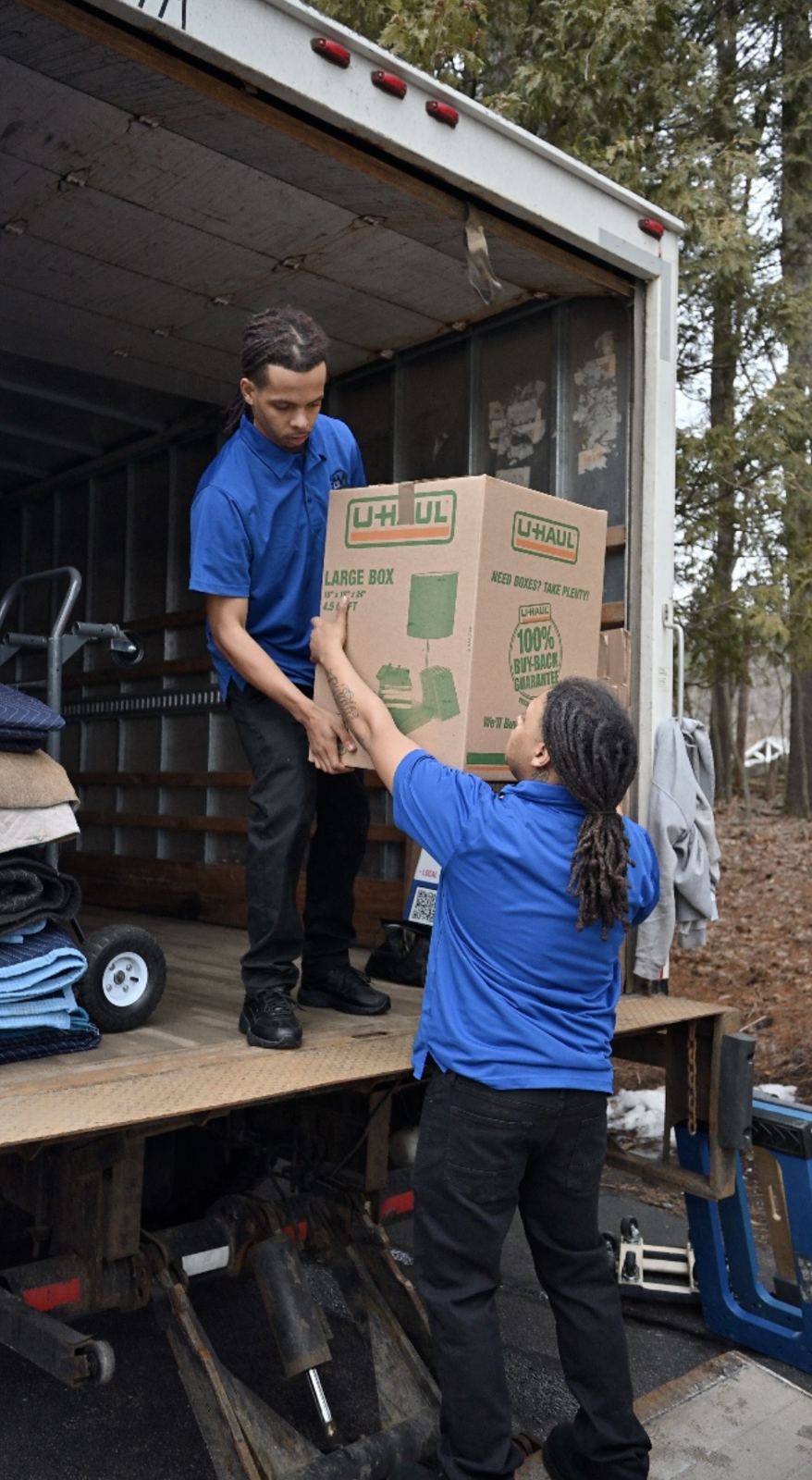
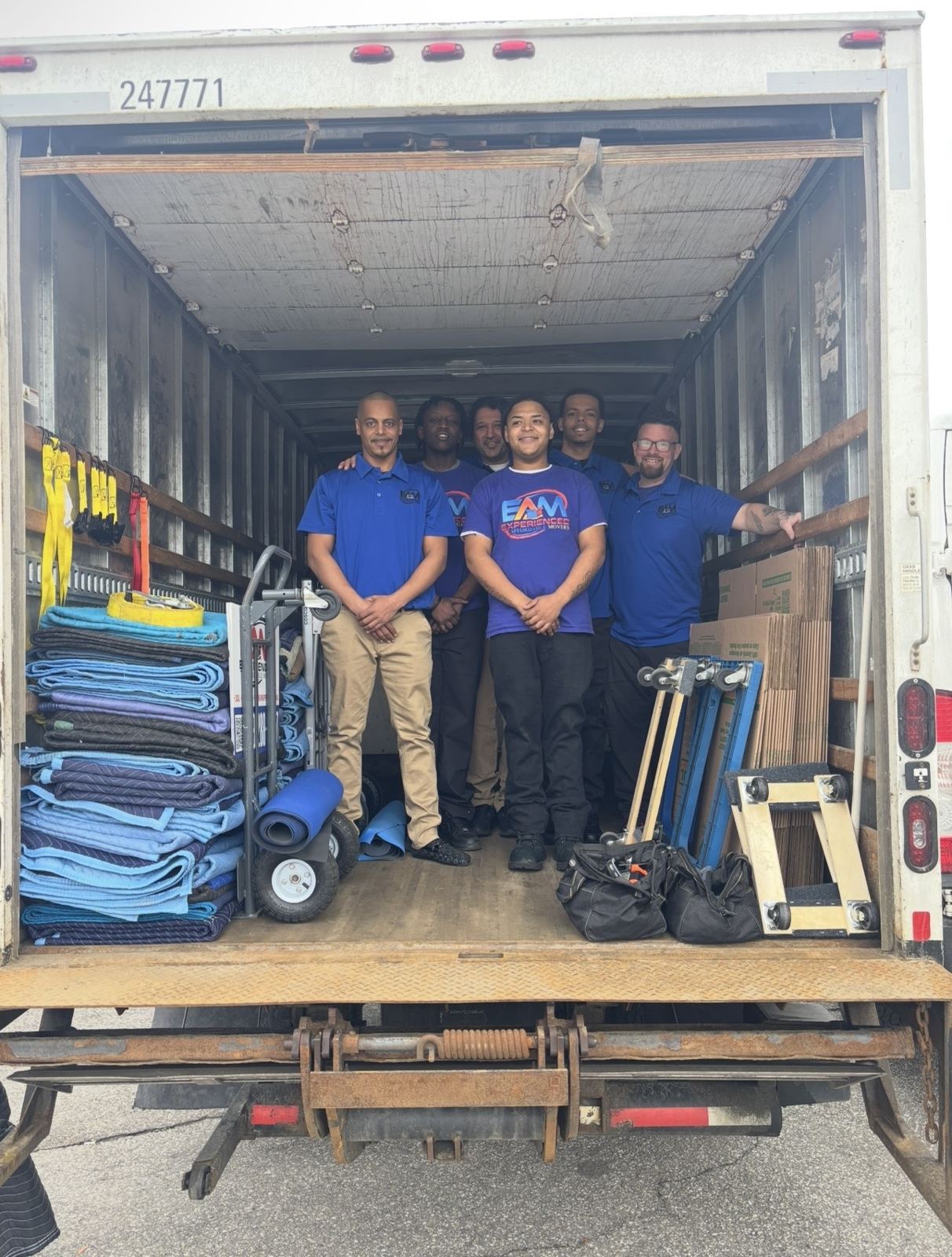
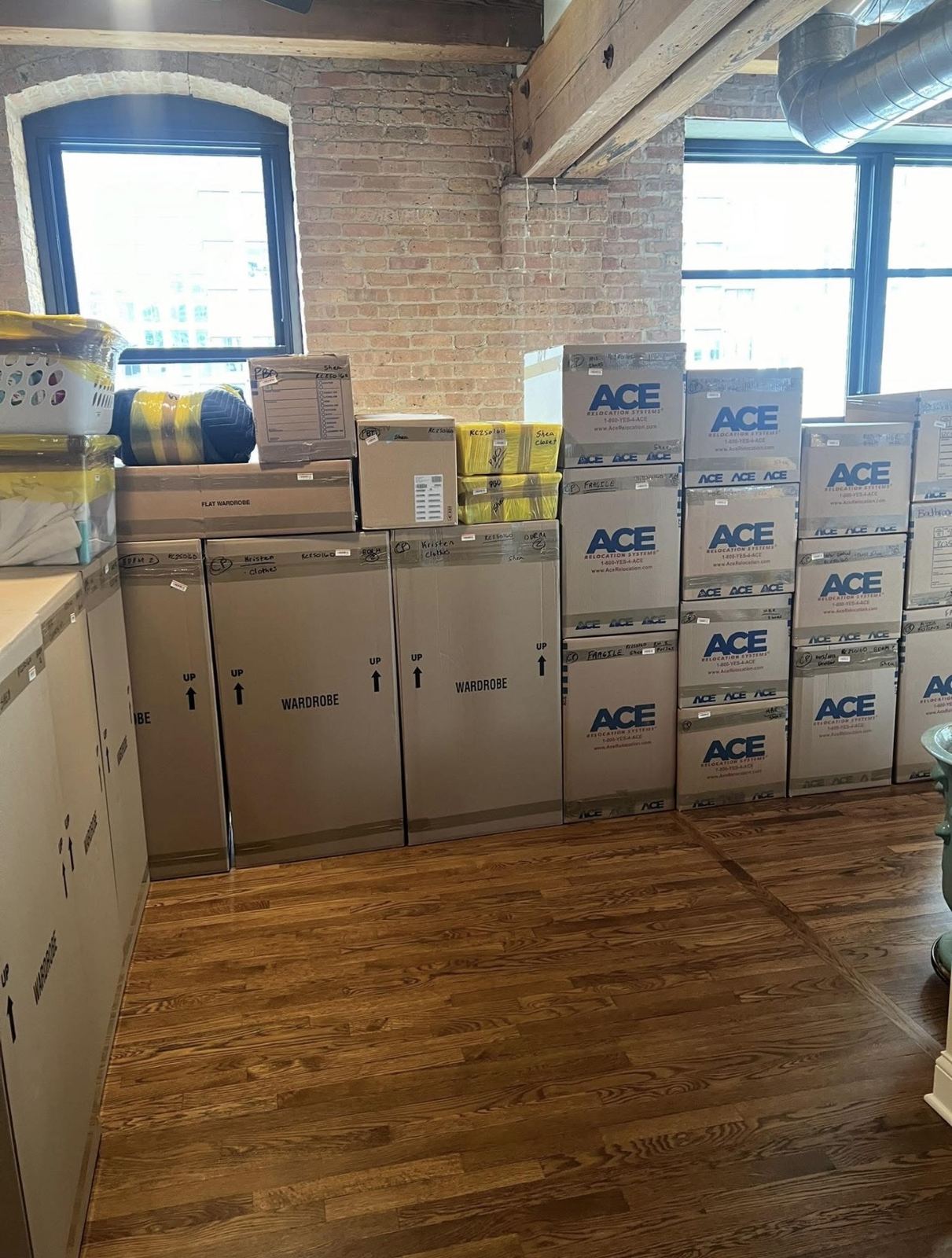
New Hampshire winters do not cancel moves — they change the protocol. We move families through January and February every year, and with the right prep those days often go smoother than a humid August Saturday. Here's exactly what changes when the temperature drops.
Why winter is the value season
National moving volume is concentrated in the warm months, so winter demand across New Hampshire drops sharply. That means better crew availability, more flexible start times, more date options, and often better pricing than a peak summer weekend. If your timeline is flexible, a mid-January Tuesday is the single best-value moving slot in this state.
Floor and home protection comes first
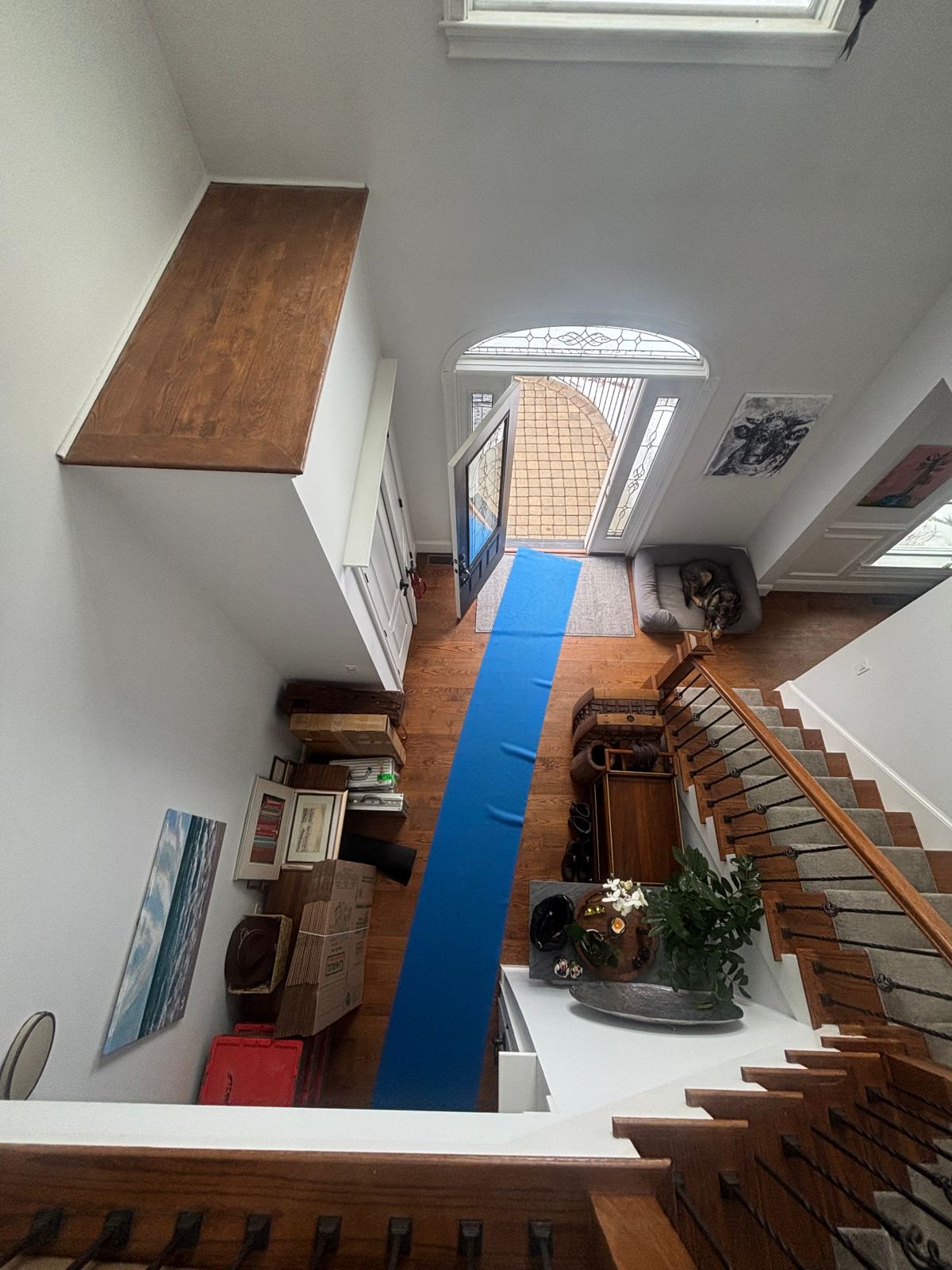
- Floor runners down the full traffic path at both properties, not just the entry.
- Doorjamb and banister padding at every pinch point.
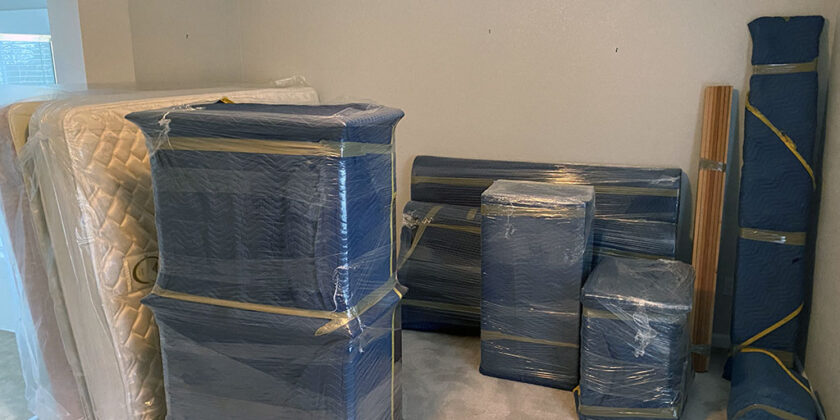
- Blankets and stretch wrap applied indoors, so nothing leaves the house exposed.
- Truck ramp cleared and salted repeatedly through the day.
What the cold actually damages
| Item | Cold-weather risk | How we handle it |
|---|---|---|
| LCD/OLED TVs and monitors | Screen damage if powered on while cold | Boxed, loaded last, unloaded first — let them reach room temp before powering on |
| Pianos and wood instruments | Cracking from rapid humidity and temp swings | Blanket-wrapped, minimum truck time, acclimate before tuning |
| Leather furniture | Stiffening and surface cracking | Padded and wrapped indoors, never staged outside |
| Houseplants | Frost damage within minutes of exposure | Travel in your heated car, not the truck |
| Liquids, paints, wine | Freezing and container rupture | Move separately, climate-controlled |
| Batteries and electronics | Rapid drain and condensation | Bagged with desiccant, allowed to warm before use |
Your prep the night before
- Shovel and salt the driveway, walkway, and steps at both homes the night before and again at sunrise.
- Clear a path wide enough for two movers carrying a dresser side by side — roughly four feet.
- Keep the heat on at both properties; an unheated destination slows everything and risks pipes.
- Put towels and a boot tray at every entryway.
- Charge phones and confirm the start time the evening before in case of overnight snow.
Track the forecast for your date with the National Weather Service office covering New Hampshire and keep an eye on road conditions via NH 511.
Frequently asked questions
- Is it cheaper to move in the winter in New Hampshire?
- Generally yes. Winter is the off-season, so availability is better and rates are typically lower than peak summer and end-of-month dates.
- Can a TV be damaged by cold weather during a move?
- Yes. Flat panels should not be powered on until they've returned to room temperature, and they should be boxed, loaded last, and unloaded first to minimize time in a cold truck.
Sources & further reading
Planning a move in New Hampshire?
Get a free, no-pressure quote from experienced professional movers with years of hands-on experience.